Eye Care in Canada
Browse 1,109 eye care across 97 cities. Compare ratings, check hours, and find the right clinic.
Top-rated eye care
Highly rated clinics with patient reviews
 Eye Care
Capital Vision Care Windermere
Edmonton, Alberta
624 reviews
 Eye Care
Capital Vision Care Southgate
Edmonton, Alberta
524 reviews
 Eye Care
Pearle Vision
Spruce Grove, Alberta
3,908 reviews
 Eye Care
Specsavers Vaughan Mills
Vaughan, Ontario
2,609 reviews
 Eye Care
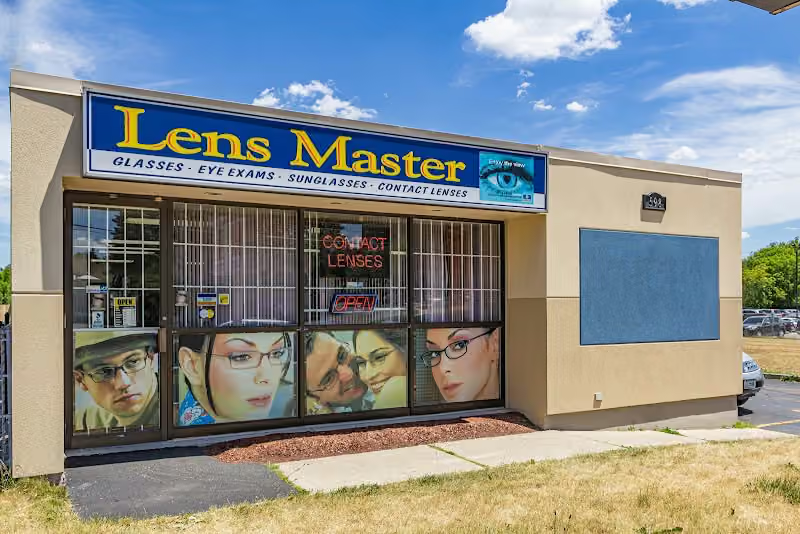
Lens Master
Kitchener, Ontario
2,871 reviews
 Eye Care
LensCrafters
Edmonton, Alberta
3,072 reviews
 Eye Care
Eye Optical - Brampton (Airport Road)
Brampton, Ontario
2,450 reviews
 Eye Care
LASIK MD
Laval, Quebec
2,256 reviews
Pearle Vision
Spruce Grove, Alberta
Specsavers Vaughan Mills
Vaughan, Ontario
Lens Master
Kitchener, Ontario
LensCrafters
Edmonton, Alberta
Eye Optical - Brampton (Airport Road)
Brampton, Ontario

Sage Eyecare (formerly Dr. M. Chiu, Dr. K. Fong and Associates of Square One and Sherway Gardens)
Mississauga, Ontario

Optima Eyewear & Optometry
Airdrie, Alberta

Dr. Archie Chung & Associates (Eaton Centre)
Toronto, Ontario

2020 Eyecare (Optical + Optometry)
Surrey, British Columbia
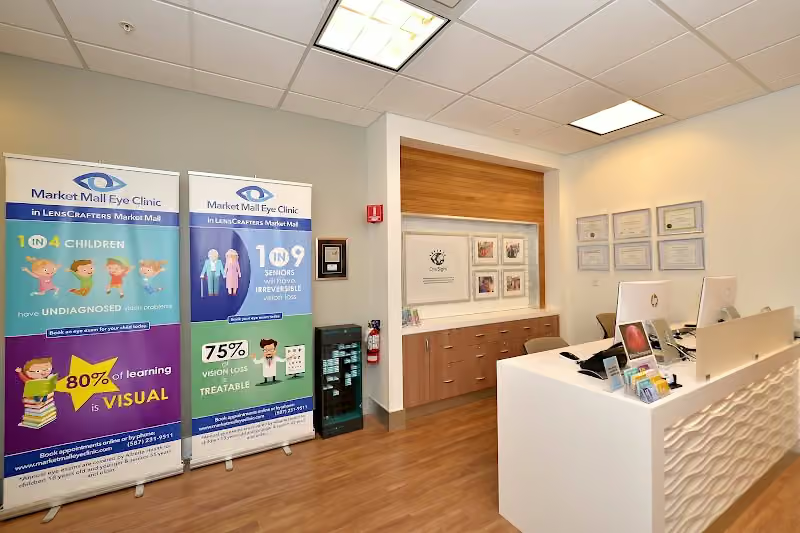
Market Mall Eye Clinic - Calgary, AB
Calgary, Alberta
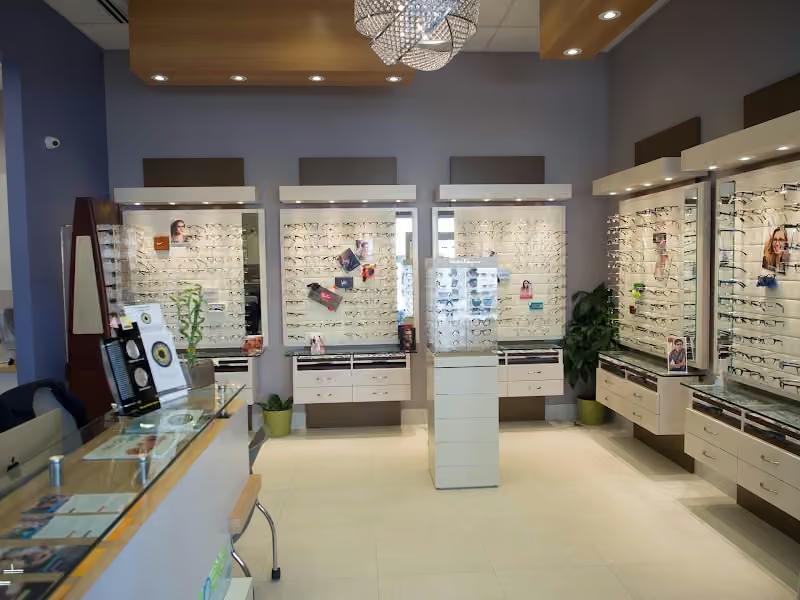
Opsis Eye Care - Dr. Jessica Nhan & Associates
Markham, Ontario

For Eyes By Clearly
Vancouver, British Columbia
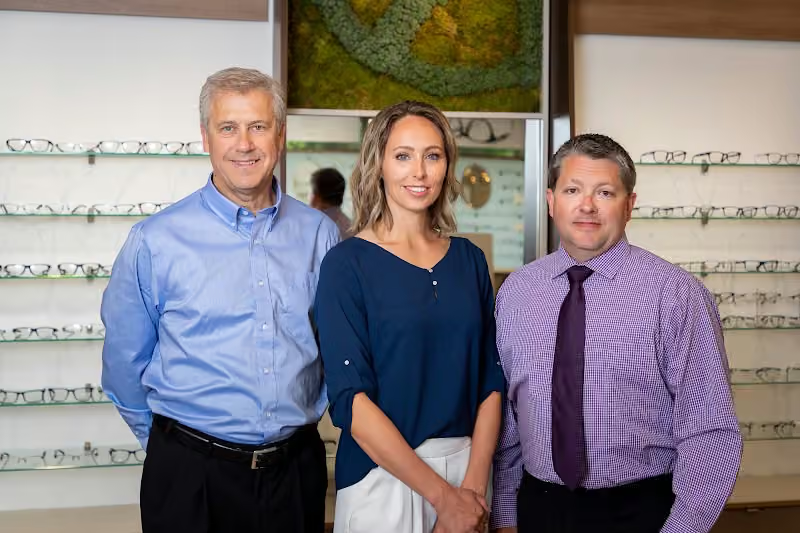
iSight Optometry
Kelowna, British Columbia

Specsavers Woodgrove Centre
Nanaimo, British Columbia
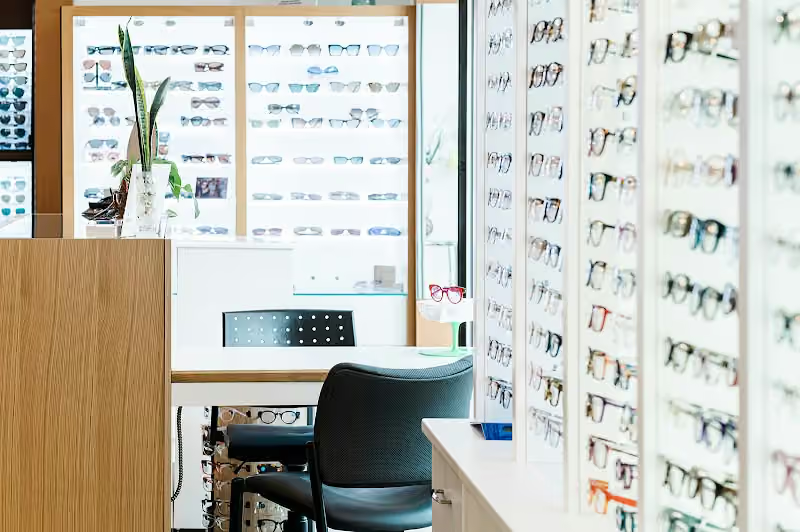
Nicola Eye Care Optometrist
Kamloops, British Columbia

Optomeyes Eye Care | Eye Exams & Eyeglass Store in Squamish
Squamish, British Columbia

Tatebe Optometry
Lethbridge, Alberta

Beyond Vision Optometrists Leduc
Leduc, Alberta

Polar Eyes Optometry
Whitehorse, Yukon

Lasik Md
Saskatoon, Saskatchewan

FYidoctors - Regina - Northgate Mall
Regina, Saskatchewan

LASIK MD
Montréal, Quebec
Armstrong & Small Eyecare Centre
Winnipeg, Manitoba
Island Eye Care
Sydney, Nova Scotia
IRIS Optometrists and Opticians - Fredericton
Fredericton, New Brunswick

Visique - Edmundston
Edmundston, New Brunswick
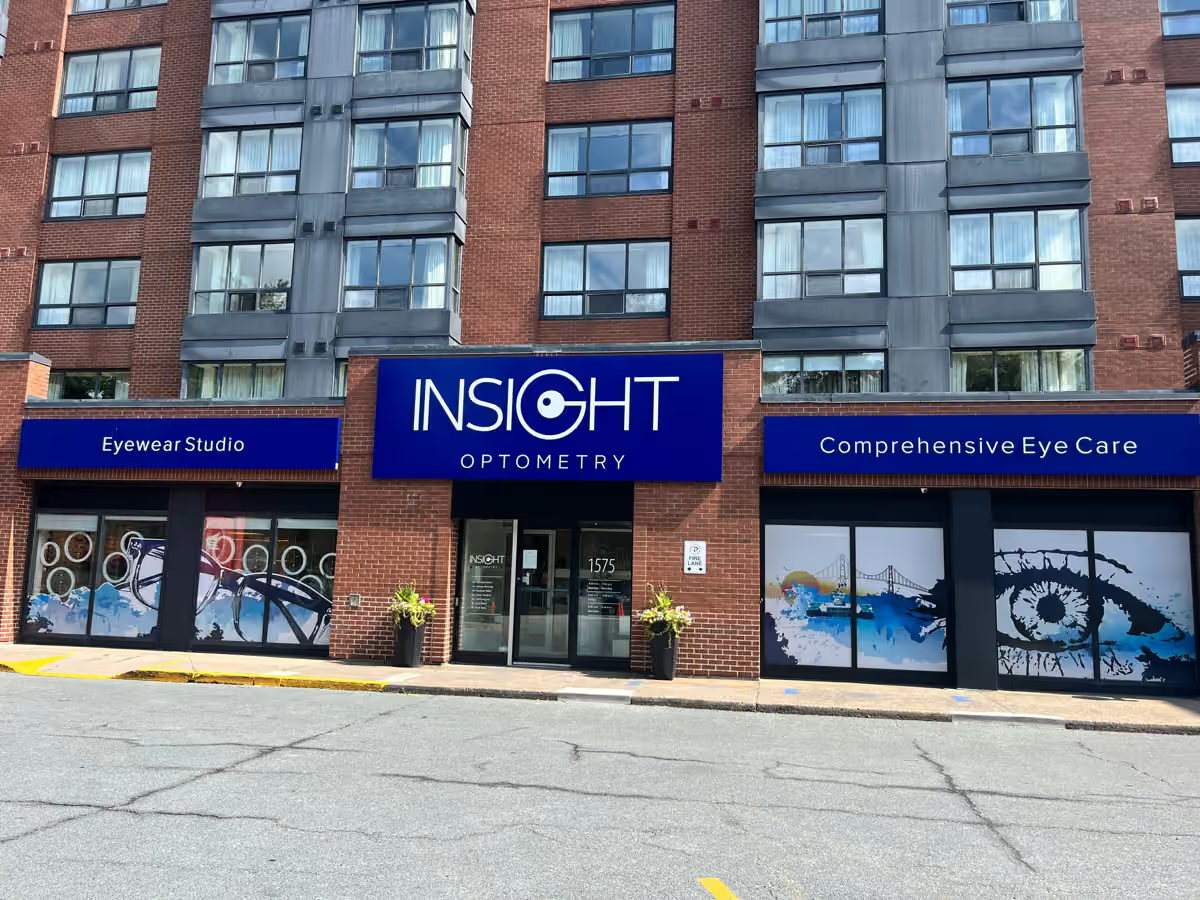
Insight Optometry
Halifax, Nova Scotia

Polar Vision Centre
Yellowknife, Northwest Territories
Cynthia Cormier
Dieppe, New Brunswick

Dr George Colbourne
Corner Brook, Newfoundland and Labrador
Bense McEachren Cataract Centre
St. John's, Newfoundland and Labrador

FYidoctors - Dartmouth -Portland Street - Doctors of Optometry
Dartmouth, Nova Scotia

Summerside Vision Clinic
Summerside, Prince Edward Island

FYidoctors - North Battleford
North Battleford, Saskatchewan
Optometrists and eye care centres in Canada provide comprehensive vision exams, contact lens fittings, prescription eyewear, and treatment for eye conditions like glaucoma and cataracts. Regular eye exams are recommended for all ages to detect vision problems and eye diseases early.
Browse Eye Care by City
Select a city to view clinics with hours, ratings, and directions
Ontario322 clinics
Quebec8 clinics
British Columbia362 clinics
Alberta234 clinics
Manitoba7 clinics
Yukon7 clinics
Frequently Asked Questions
Common questions about eye care in Canada
How often should I get an eye exam?
The Canadian Association of Optometrists recommends annual eye exams for children (ages 6-18), adults over 65, and anyone with diabetes or a family history of eye disease. Adults aged 19 to 64 with no risk factors should have an exam at least every two years.
Are eye exams covered by provincial health insurance?
Coverage varies by province. In Ontario, OHIP covers annual eye exams for patients under 20 and 65+. BC MSP covers exams for patients under 19 and 65+. Alberta covers annual exams for all ages. In provinces without coverage, an eye exam typically costs $75 to $150.
Do I need a referral to see an optometrist?
No. You can book an appointment directly with an optometrist without a referral. However, if you need to see an ophthalmologist (a medical doctor specializing in eye surgery), you will typically need a referral from your optometrist or family doctor.
What is the difference between an optometrist and an ophthalmologist?
An optometrist is a primary eye care provider who performs comprehensive eye exams, prescribes glasses and contact lenses, and manages many eye conditions. An ophthalmologist is a medical doctor who specializes in eye surgery and treating complex eye diseases like glaucoma and cataracts.
How much does an eye exam cost in Canada?
A comprehensive eye exam typically costs $75 to $150 depending on the province, the optometrist, and whether additional tests are needed. In provinces where exams are not covered by the health plan, many extended health insurance plans include vision care benefits that cover all or part of the exam cost.
What are signs I should see an eye doctor?
See an optometrist if you experience blurred or double vision, frequent headaches, eye pain or redness, difficulty seeing at night, floaters or flashes of light, or if you notice changes in your vision. Even without symptoms, regular eye exams are important because many conditions like glaucoma develop gradually without obvious early warning signs.
Coverage rules are set by each province. Health Canada publishes an overview of Canada's health care system, and facility data is drawn in part from Statistics Canada's Open Database of Healthcare Facilities.
Other healthcare services
Browse more clinic types across Canada